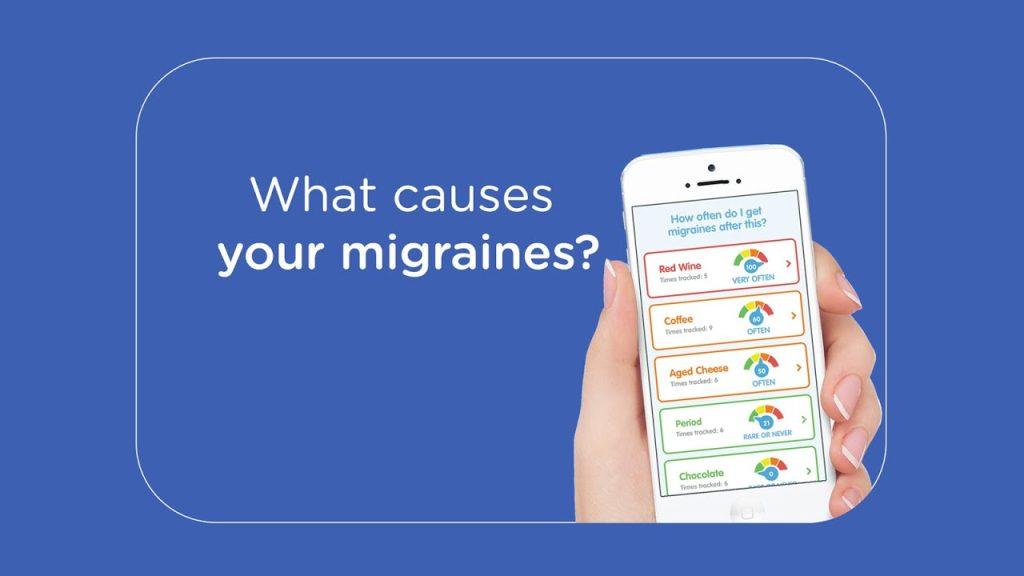
A symptom tracker app can have low barriers to entry. By integrating advanced Retrieval-Augmented Generation (RAG) technology and a persistent vector database, a JV gains a powerful technological moat, clinical credibility, and multiple high-margin revenue streams.
Strategic Rationale 1: RAG Protects a JV's Clinical Value

The RAG engine is the IP that differentiates our app from a symptom tracker.
- Risk of App: A competitor can build a headache or MS symptom tracking app. A JV based purely on an app has low barriers to entry and low long-term pricing power.
- The RAG Advantage: Our RAG interface is the validation engine that turns generic patient logging into ICHD-compliant, physician-ready diagnostic reports. This clinical rigor gives the platform utility for pharma partners and credibility with regulators (SaMD). It ensures reliable output for clinical decision support—a massive barrier to entry.
Strategic Rationale 2: The Persistent DB Creates a Unique Data Asset

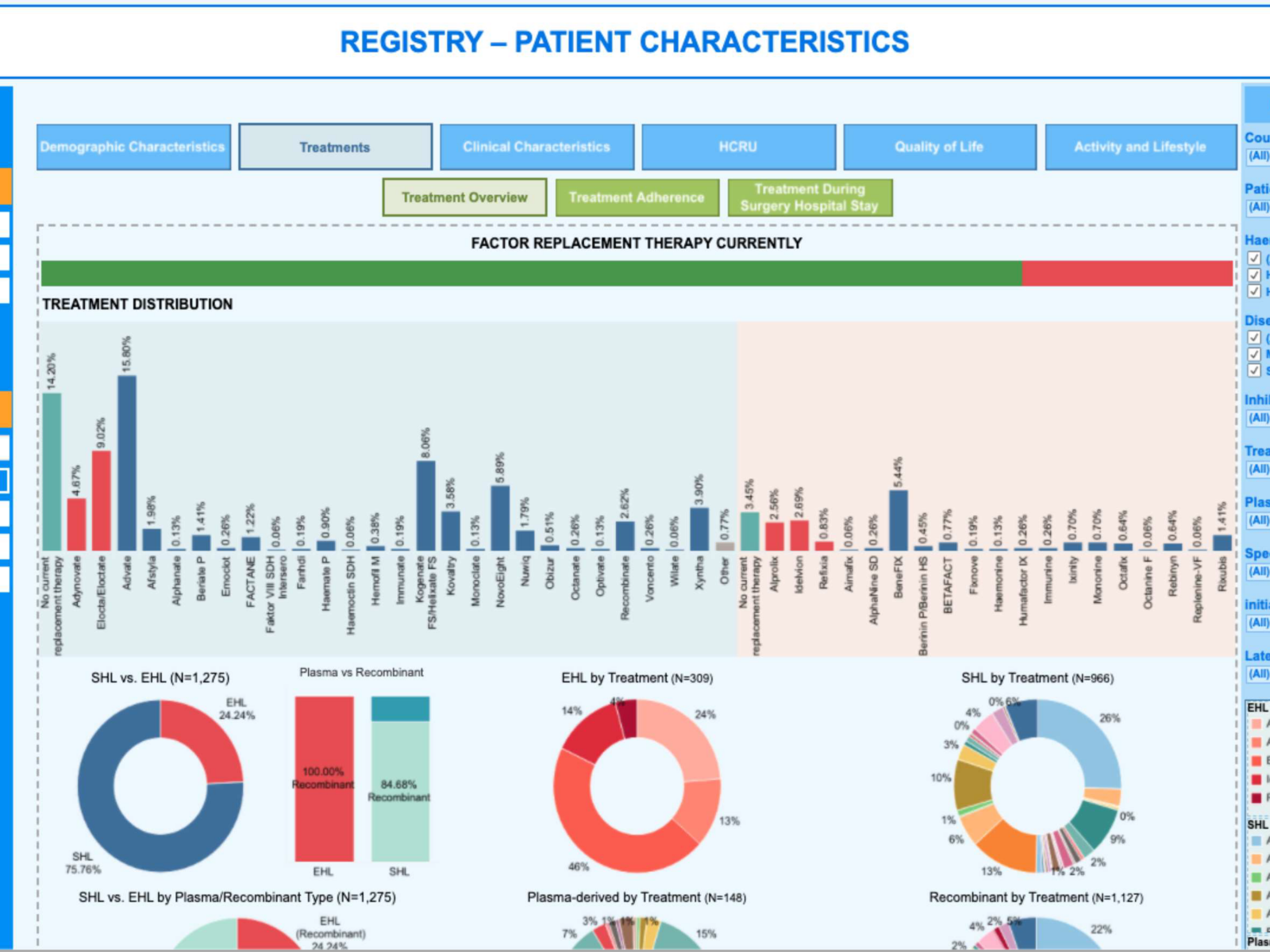
The use of a Persistent Vector Database (built on SQLite) creates a valuable, recurring revenue stream beyond app subscriptions.
- JV Value Proposition: Pharma partners want high-fidelity, longitudinal data to support their drug's value proposition (Real-World Evidence - RWE).
- Persistent DB = Data Asset: Our architecture ensures immutable, traceable, and highly structured data—the gold standard for RWE. This enables selling high-fidelity data services for cohort studies, adherence modeling, and post-market surveillance.
- Financial Impact: The app drives front-end revenue (subscriptions/fees); the RAG-validated data asset drives high-margin back-end RWE revenue.
Strategic Rationale 3: Partnership Structure—IP Licensing vs. Distribution

The RAG/DB should be treated as licensed technology, not just an app feature.
| Component |
Proposed Partnership Treatment |
Value to Our partner |
| App Platform |
JV Distribution Agreement: Our partner uses relationships to place the app; revenue shared on deployment/subscription fees. |
Market Penetration & Front-End Revenue |
| RAG Interface & Persistent DB |
IP Licensing Agreement: Our partner licenses the RAG technology and resulting high-fidelity data assets from BeCareLink for a separate fee or higher revenue share. |
Differentiation, Clinical Rigor, and High-Margin RWE Services |
By integrating the RAG/DB into the JV agreement, we create a unique technological moat and enable multiple lucrative revenue streams, evolving the partnership from a simple distribution deal to a strategic data and technology alliance.
Technical Comparison: Attention-Based Search vs. FAISS
| Feature |
FAISS (Facebook AI Similarity Search) |
Attention Mechanism |
| Core Purpose |
High-Speed, Large-Scale Approximate Nearest Neighbor (ANN) Search based on distance. |
Contextual Weighting and Prioritization of information relative to a query. |
| Role in RAG |
The Retriever/Indexer: Efficiently finds top K raw data chunks from the persistent database. |
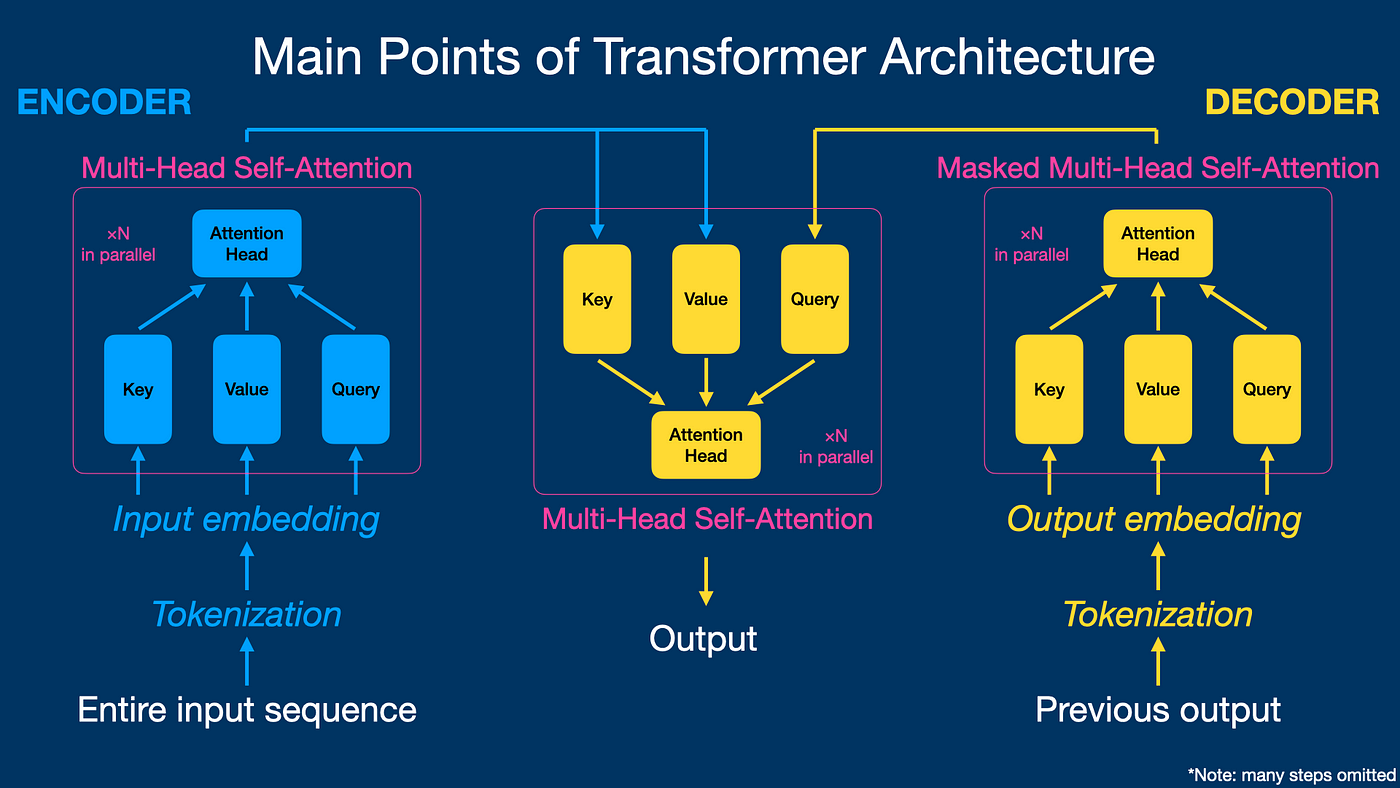
The Fusion/Generation Layer: Assigns weights to retrieved chunks for accurate final output. |
| Output |
List of raw data indices/IDs and similarity scores. |
Set of weights (α_i) and a combined, context-rich output vector. |
| Optimization Focus |
Speed, Memory, and Scale (C++ & GPU accelerated). |
Context, Accuracy, and Traceability. |
| Mechanism Type |
Vector Indexing Library |
Neural Network Architecture Component |